Limu Studies
Native seaweed is food, medicine and the foundation of a healthy reef.
The kānāwai for limu asks us to see value in all, cultivating biodiversity and staying attentive to every part of the system.
Hāniʻo Coastline North of Harbor
Hāniʻo Coastline South of Harbor
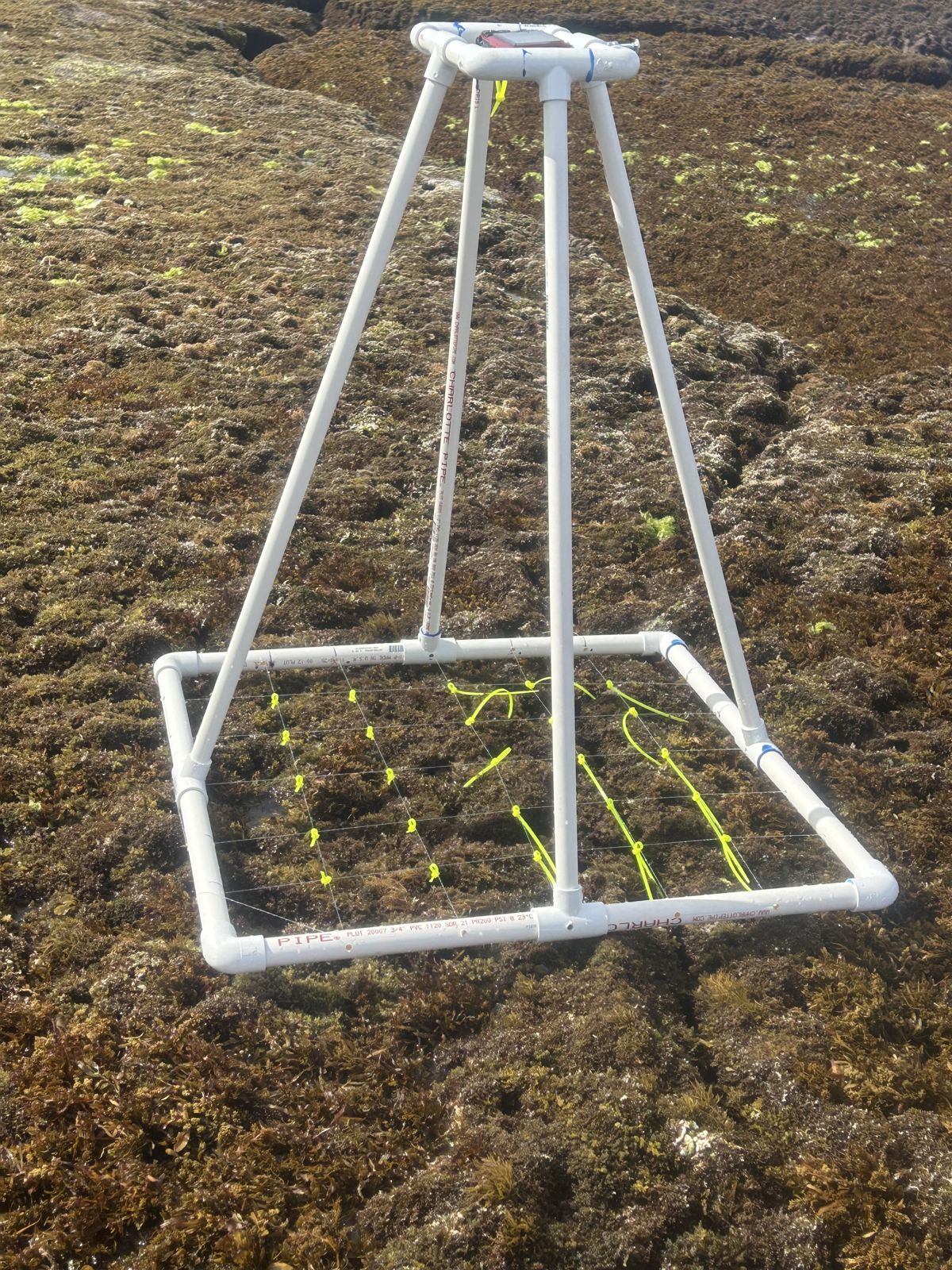
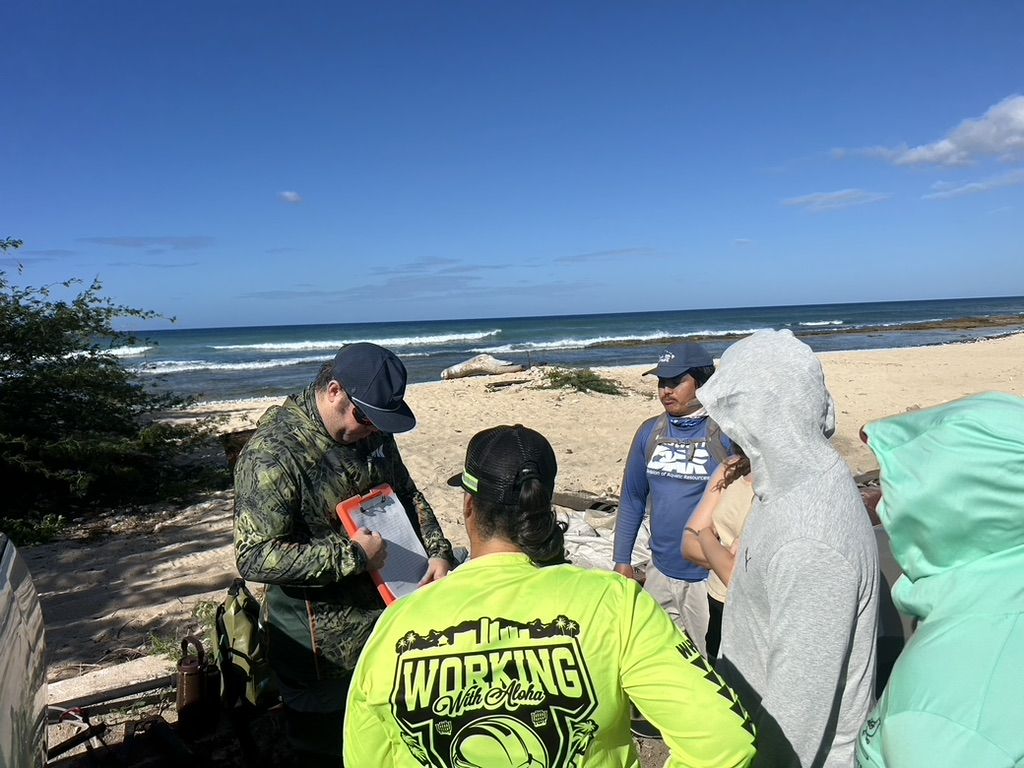
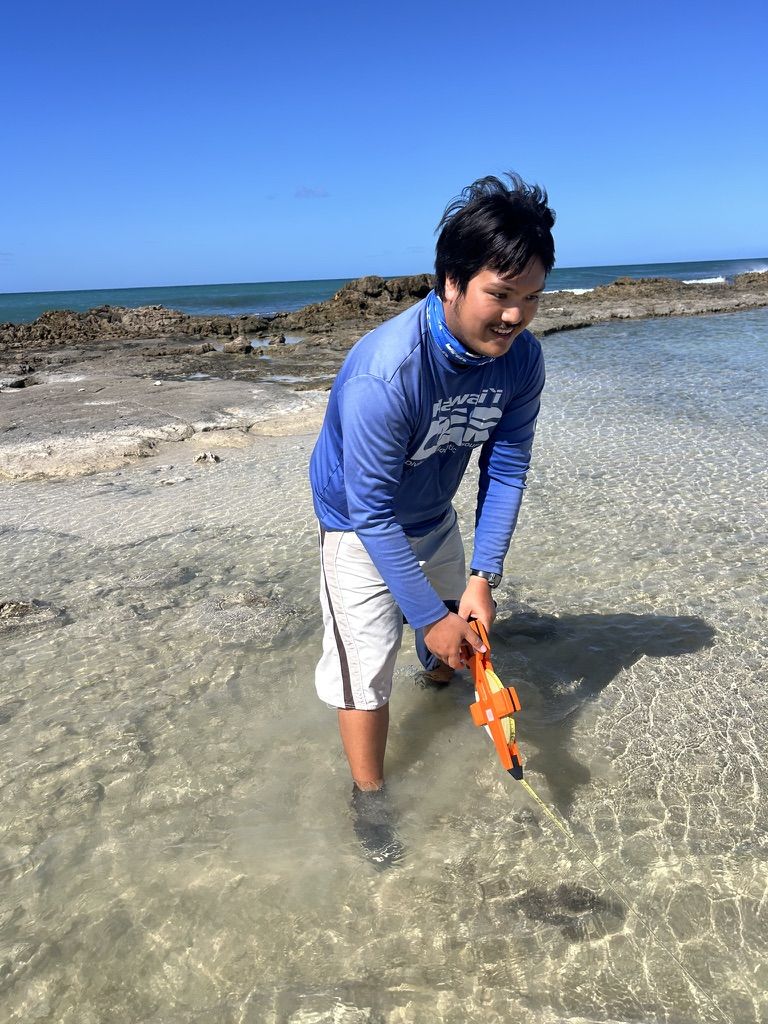
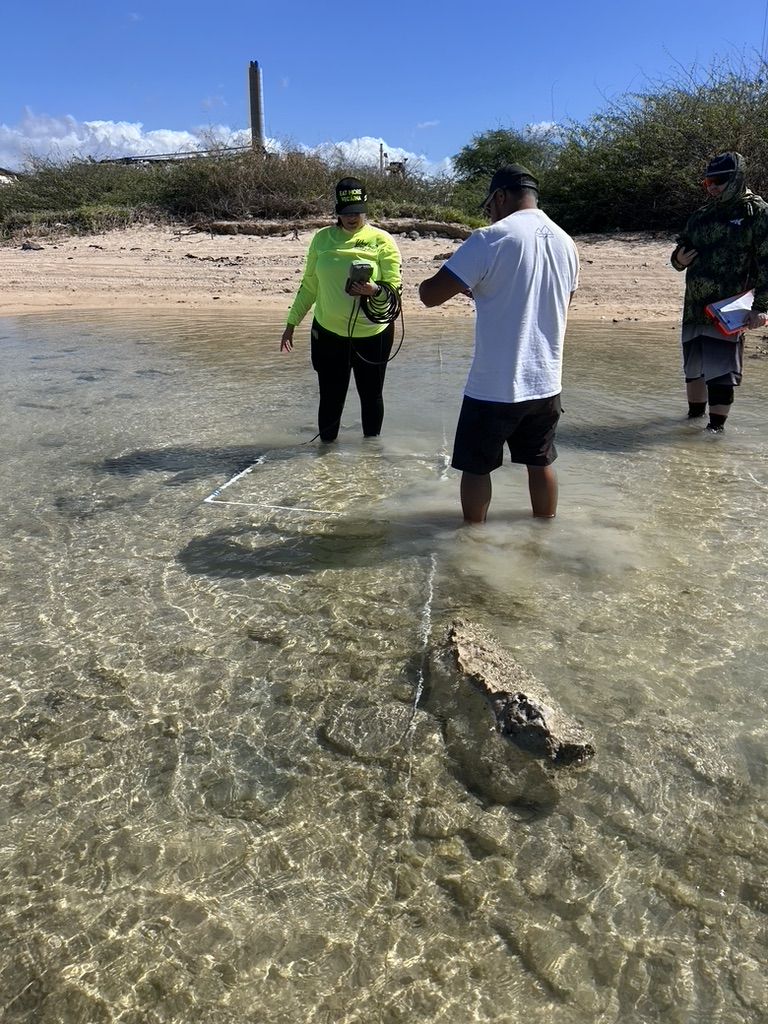
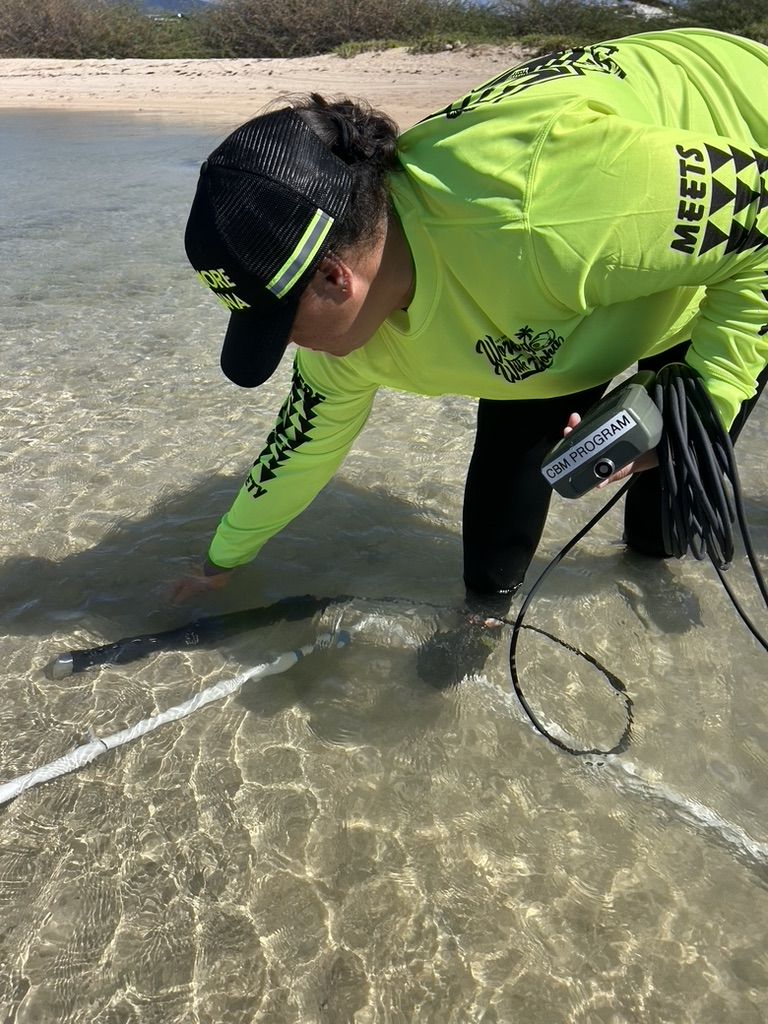
Limu monitoring methods at the Hāniʻo coastline, developed with the Honokaihale ʻOhana Council and the Division of Aquatic Resources.
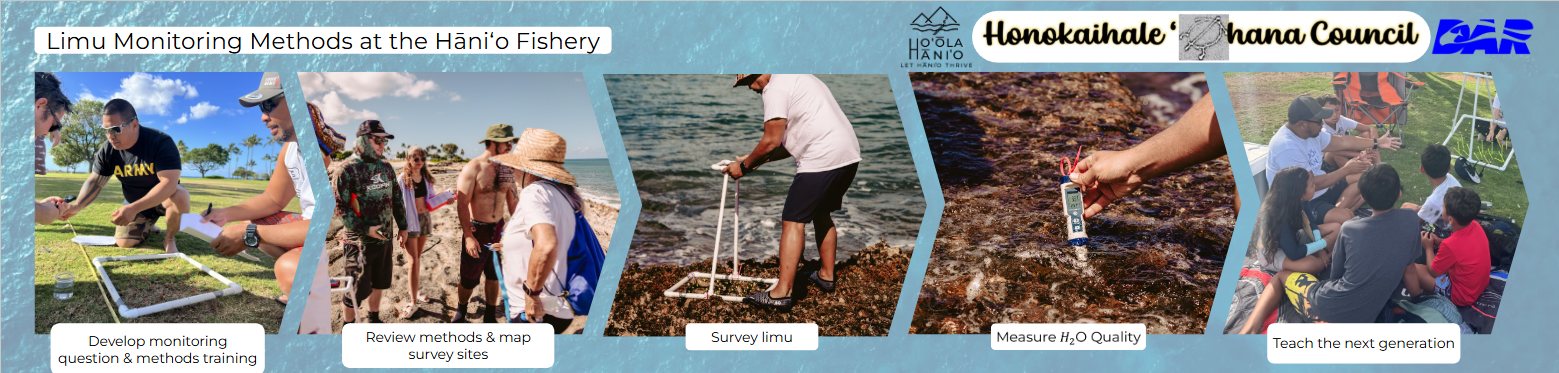
Develop Process & Train
Review Methodology & Map Surveyed Areas
Identify Limu
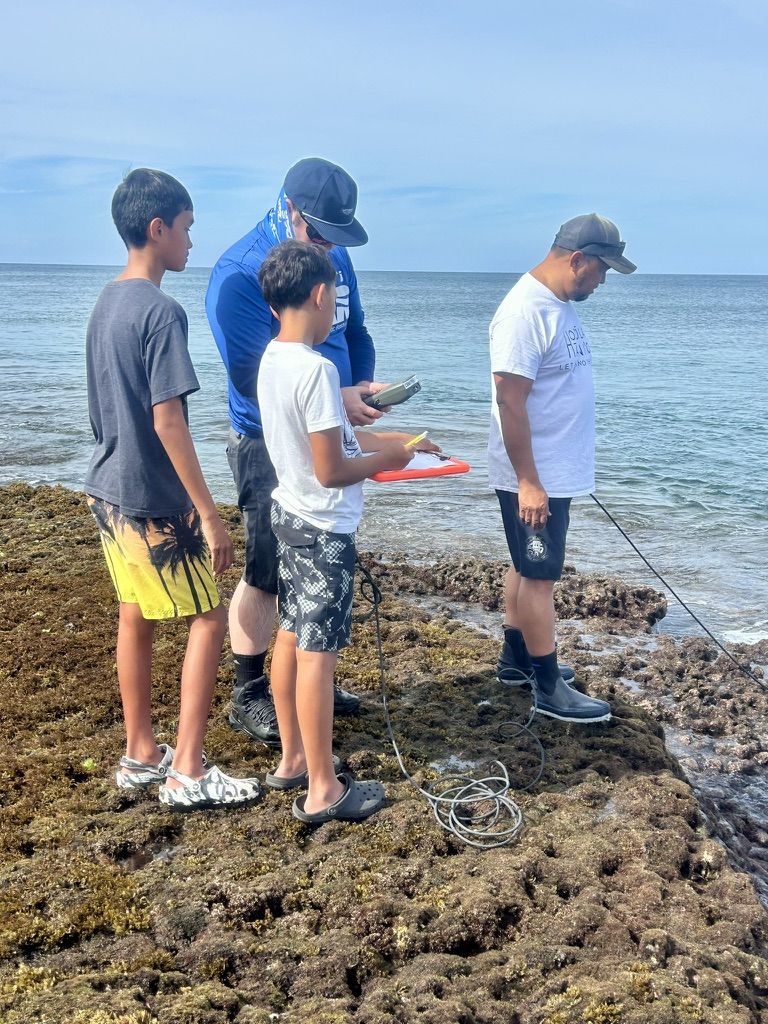
Test Water Quality Alongside Identified Limu
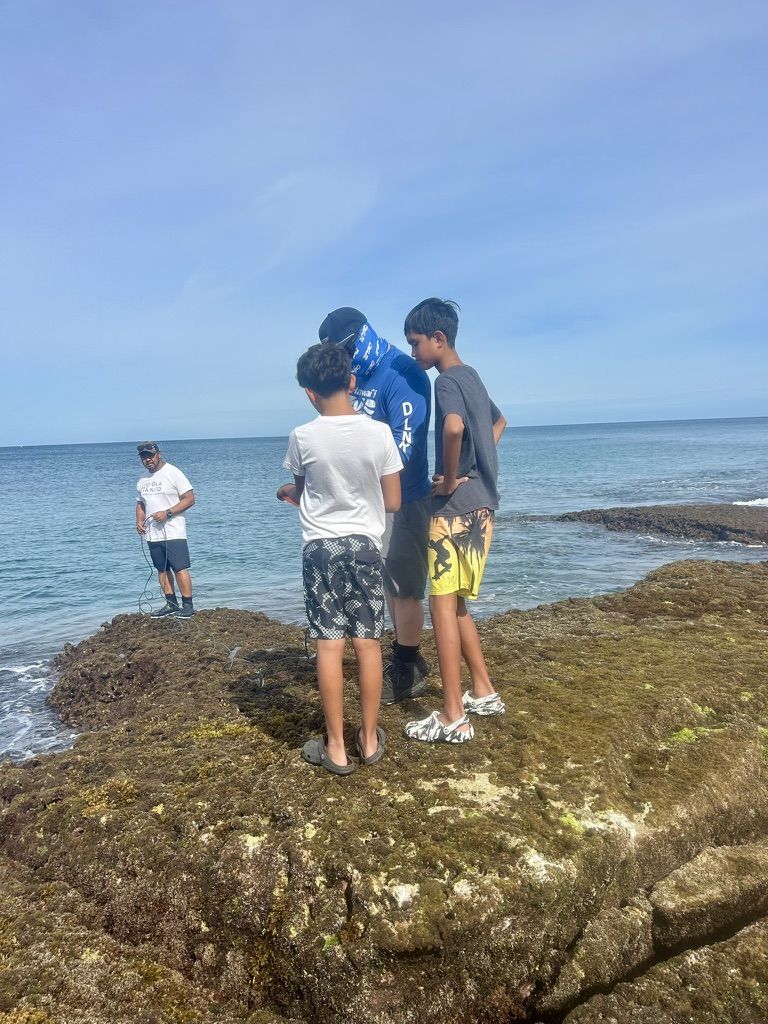
Share Knowledge With Next Generation
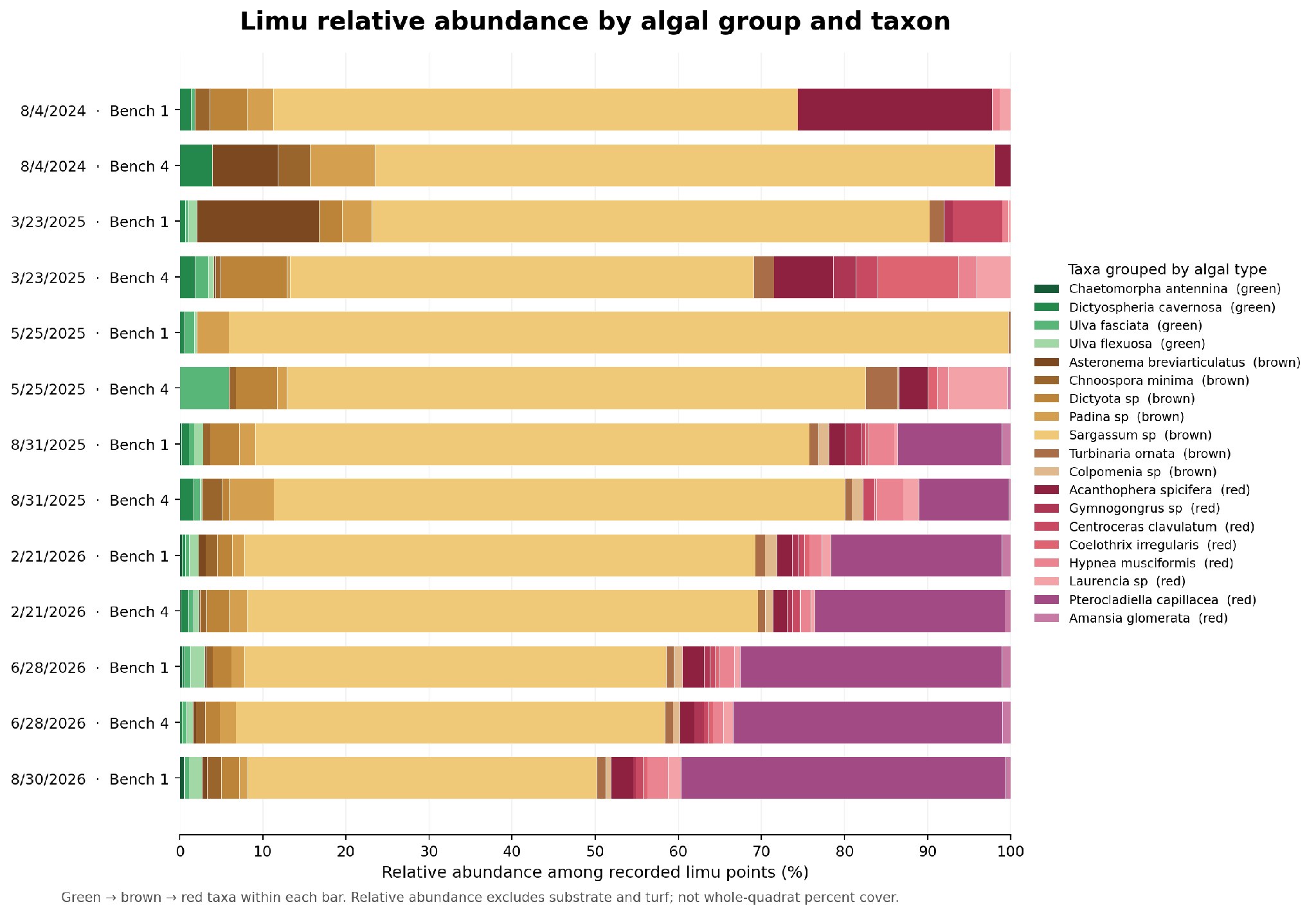
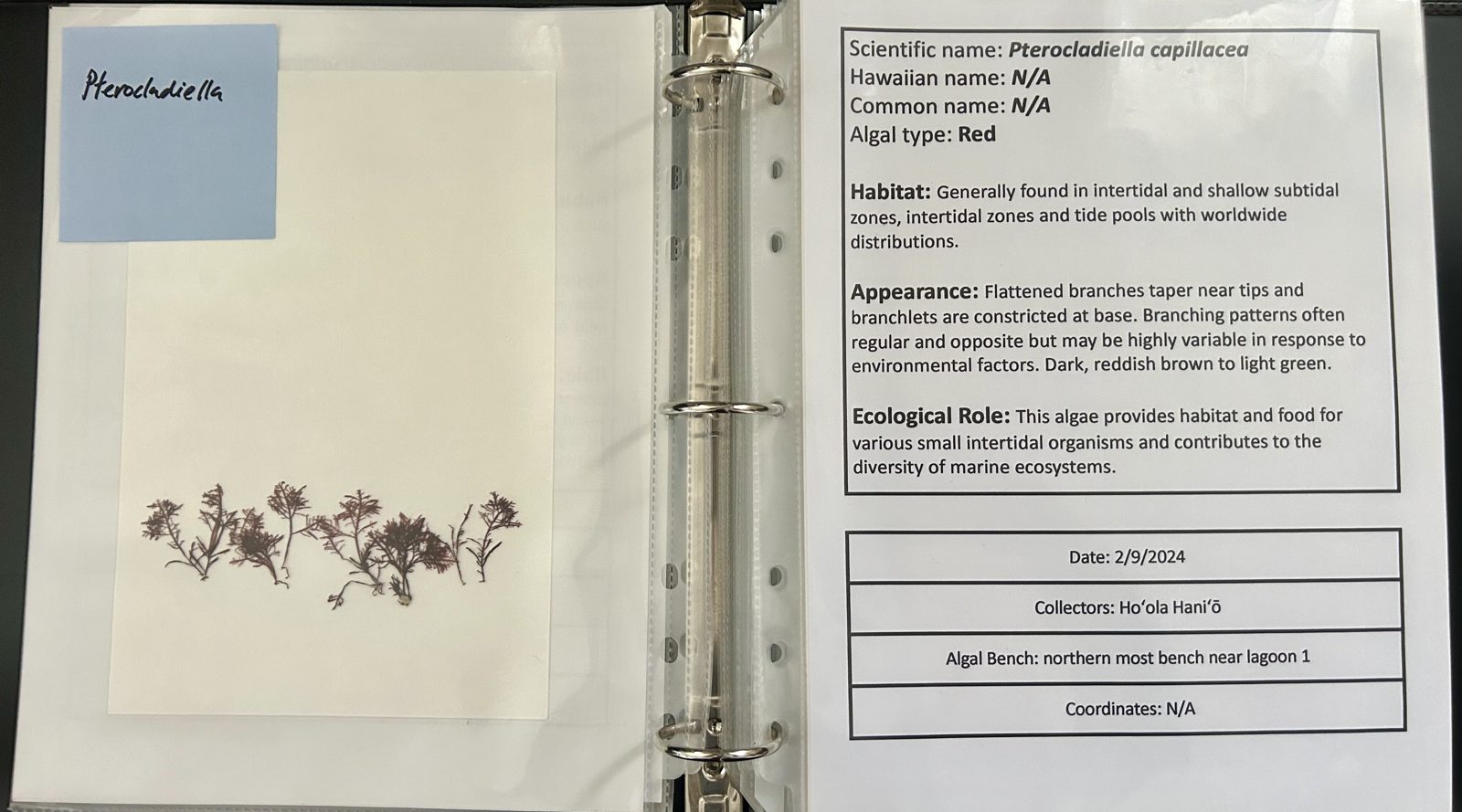
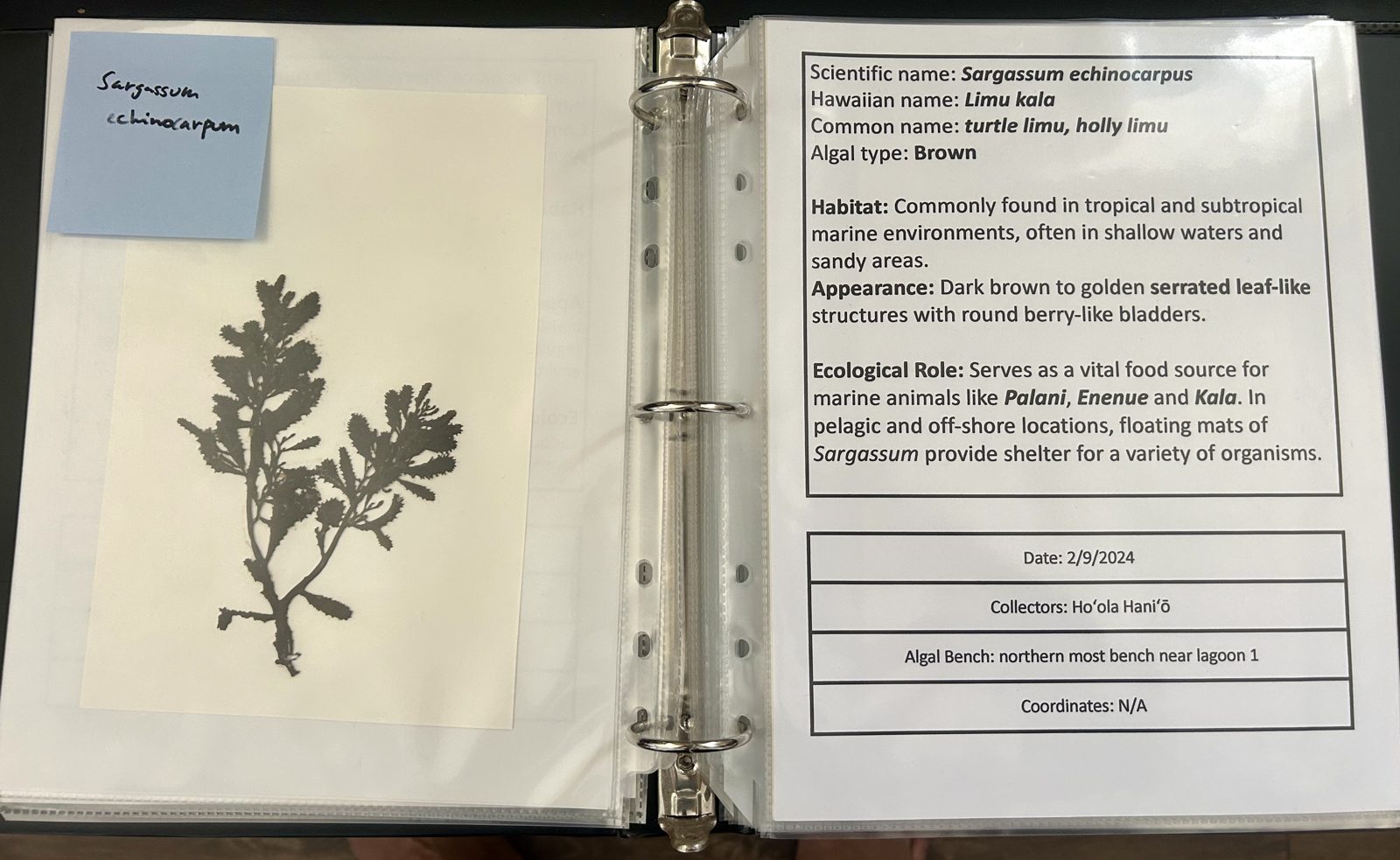
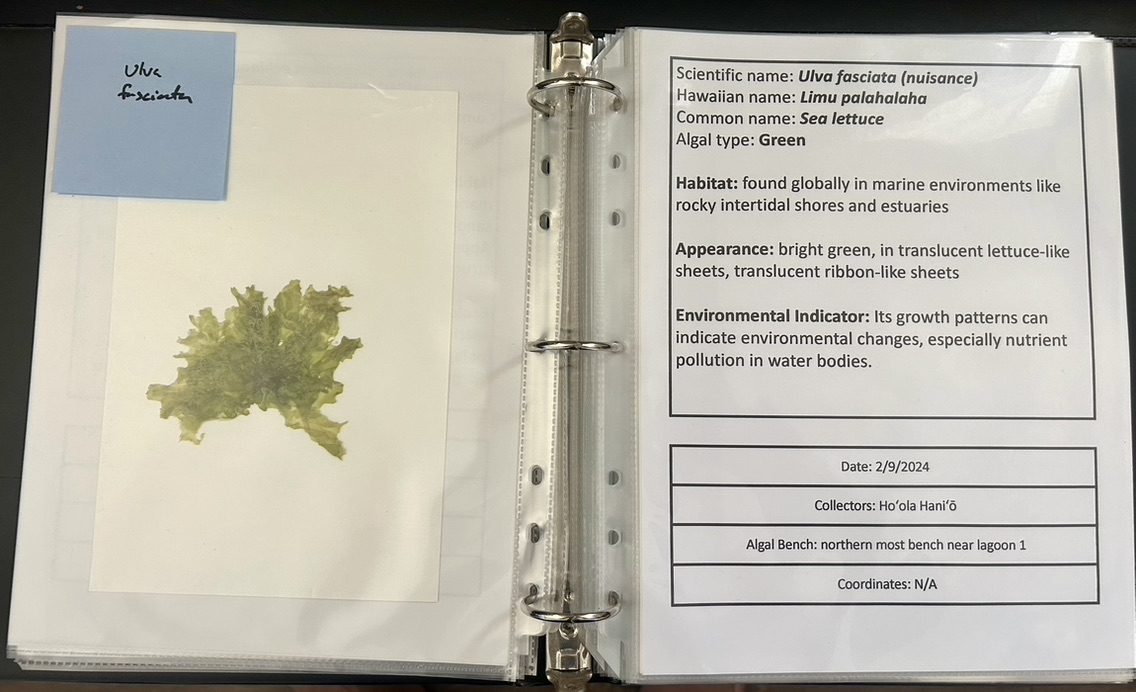
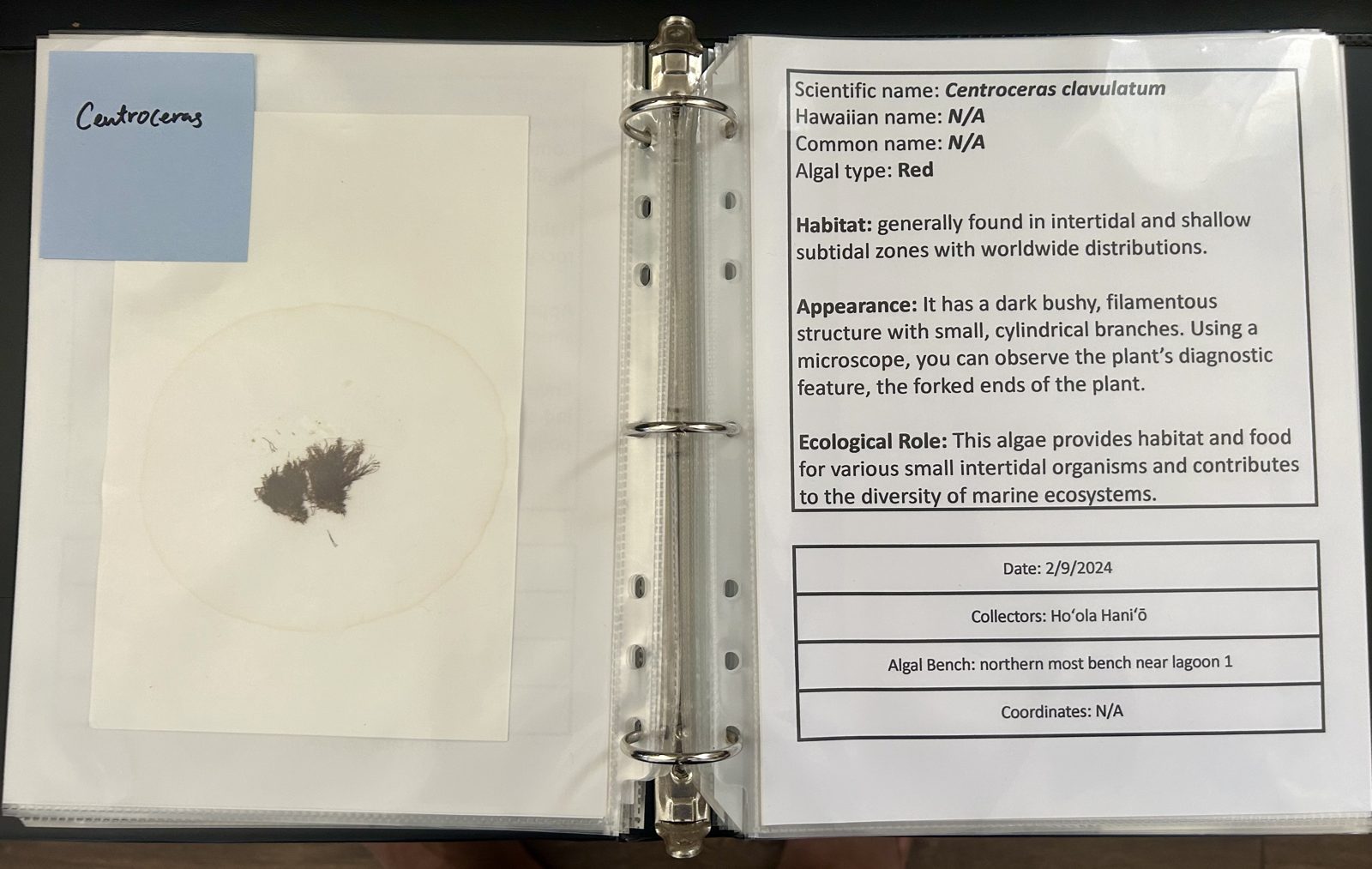
In August 2024, a long-term limu (seaweed) monitoring project was launched to study the abundance and diversity of limu along two algal benches. Over two years, the team from Hoʻōla Hāniʻo in collaboration with the State’s Division of Aquatic Resources (DAR) conducted surveys on seven different days and recorded an impressive 5,905 limu observations. They identified 19 types of limu, including brown, red, and green algae, with brown algae, especially Sargassum (Limu Kala), making up about 70% of the total observations. Red algae, notably Pterocladiella capillacea (Limu Loloa), have shown a positive trend, increasing in number over time. The project also expanded to a new location, Hāniʻo Mālākole, to further explore the diversity and water quality of subsistence species. These ongoing efforts highlight the importance of regular monitoring and illustrate significant shifts in the limu community that could affect local ecosystems.
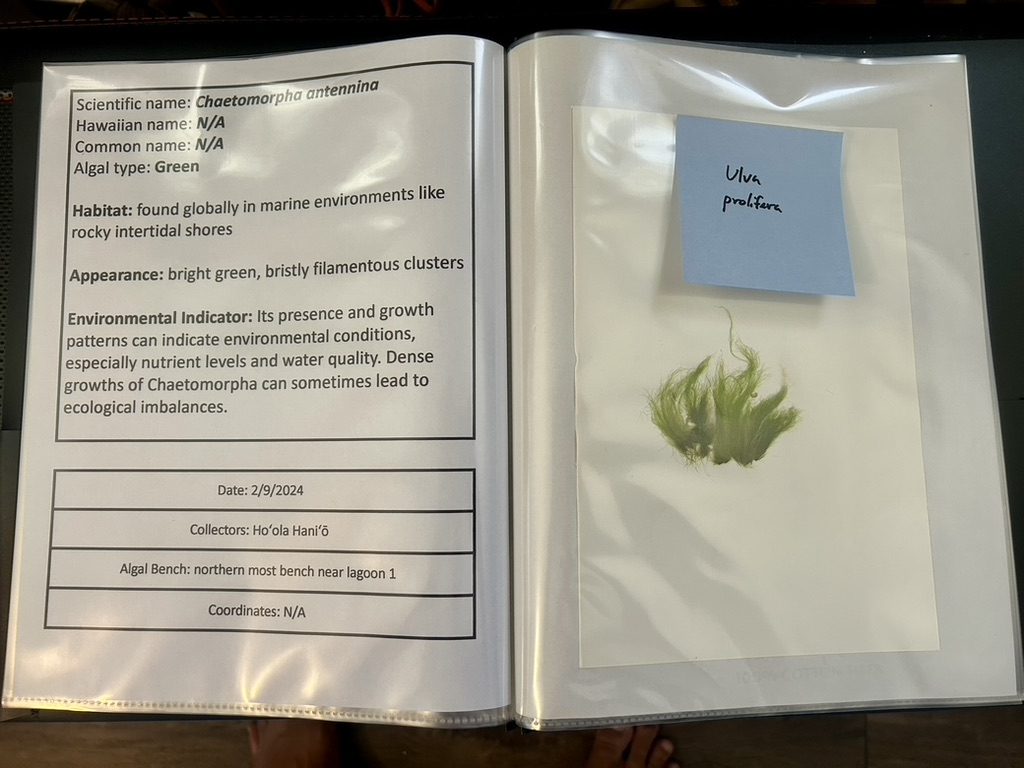
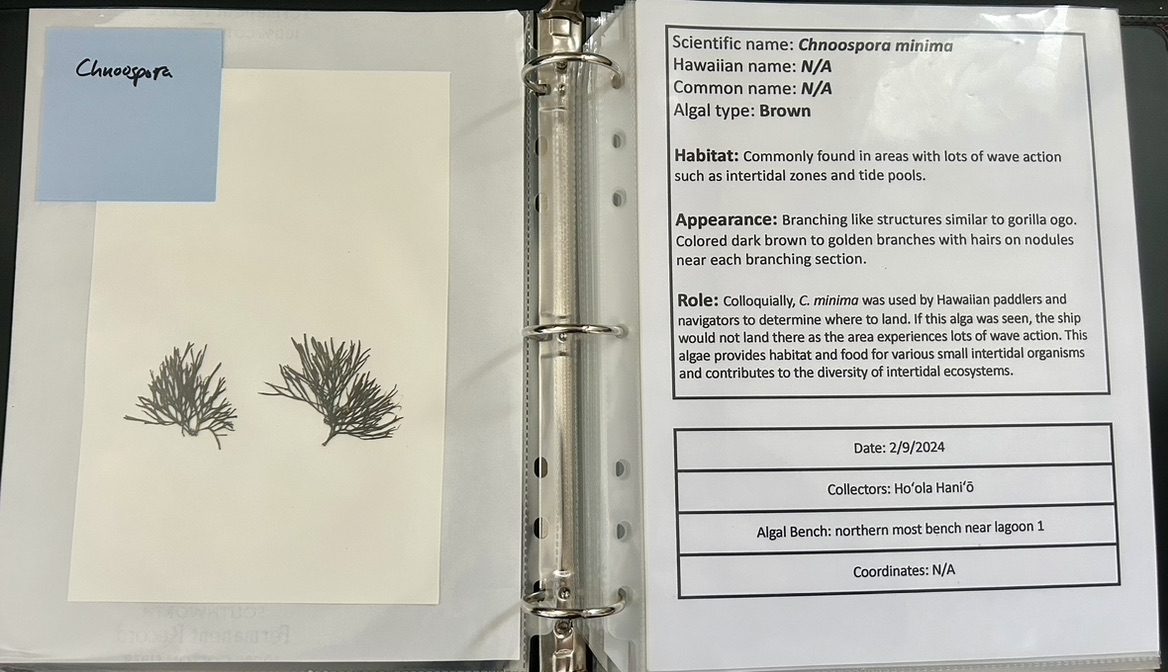
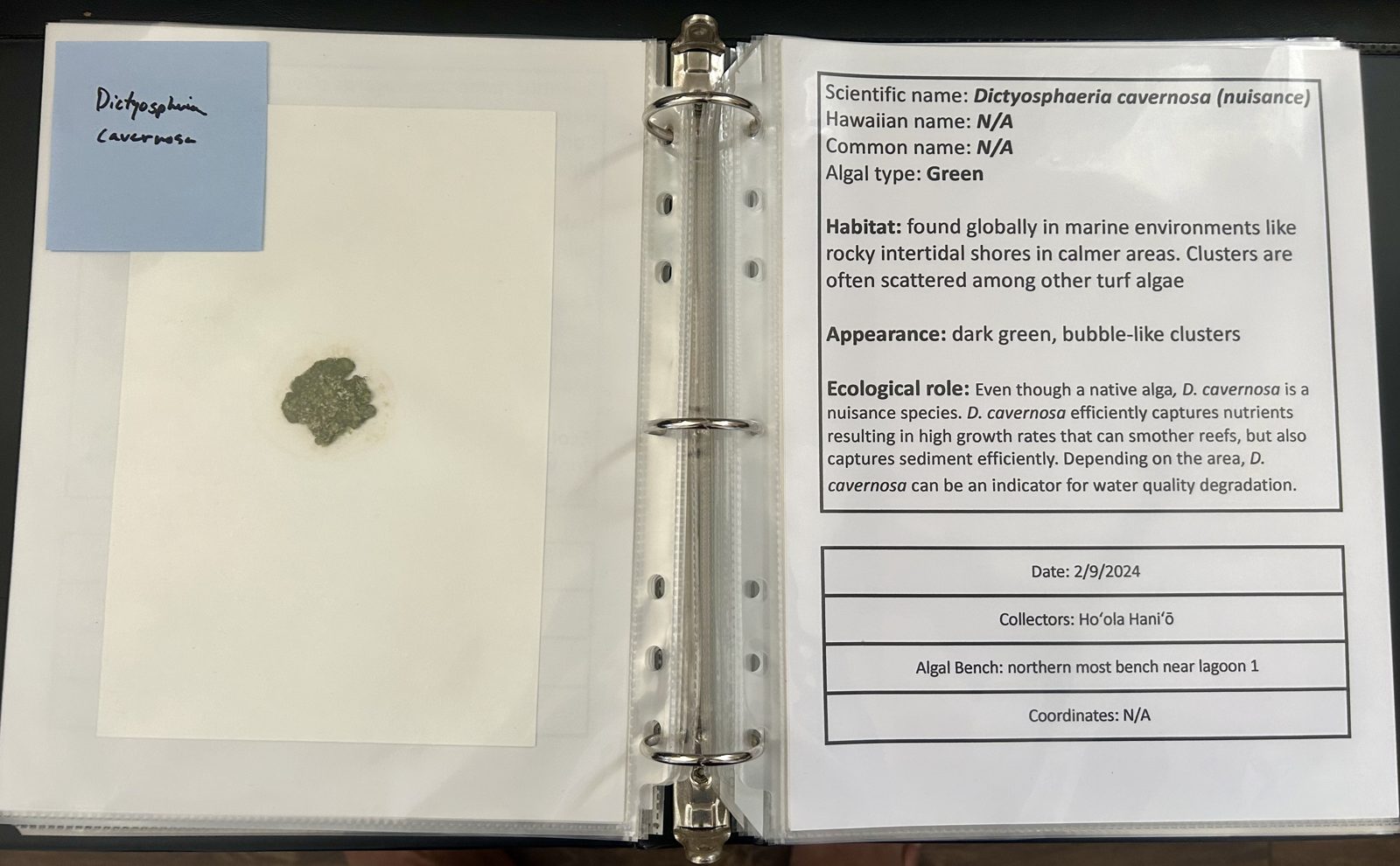
Create Hoʻōla Hāniʻo Limu Reference Book
See all photos →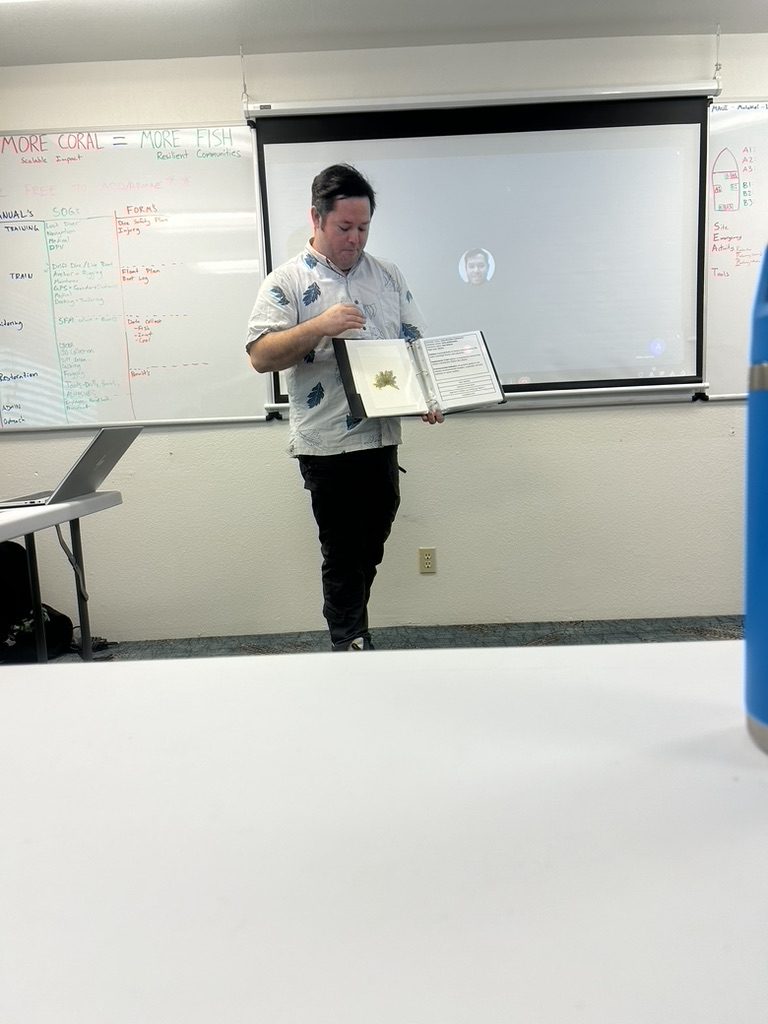
Survey days at our two sites.
See all photos →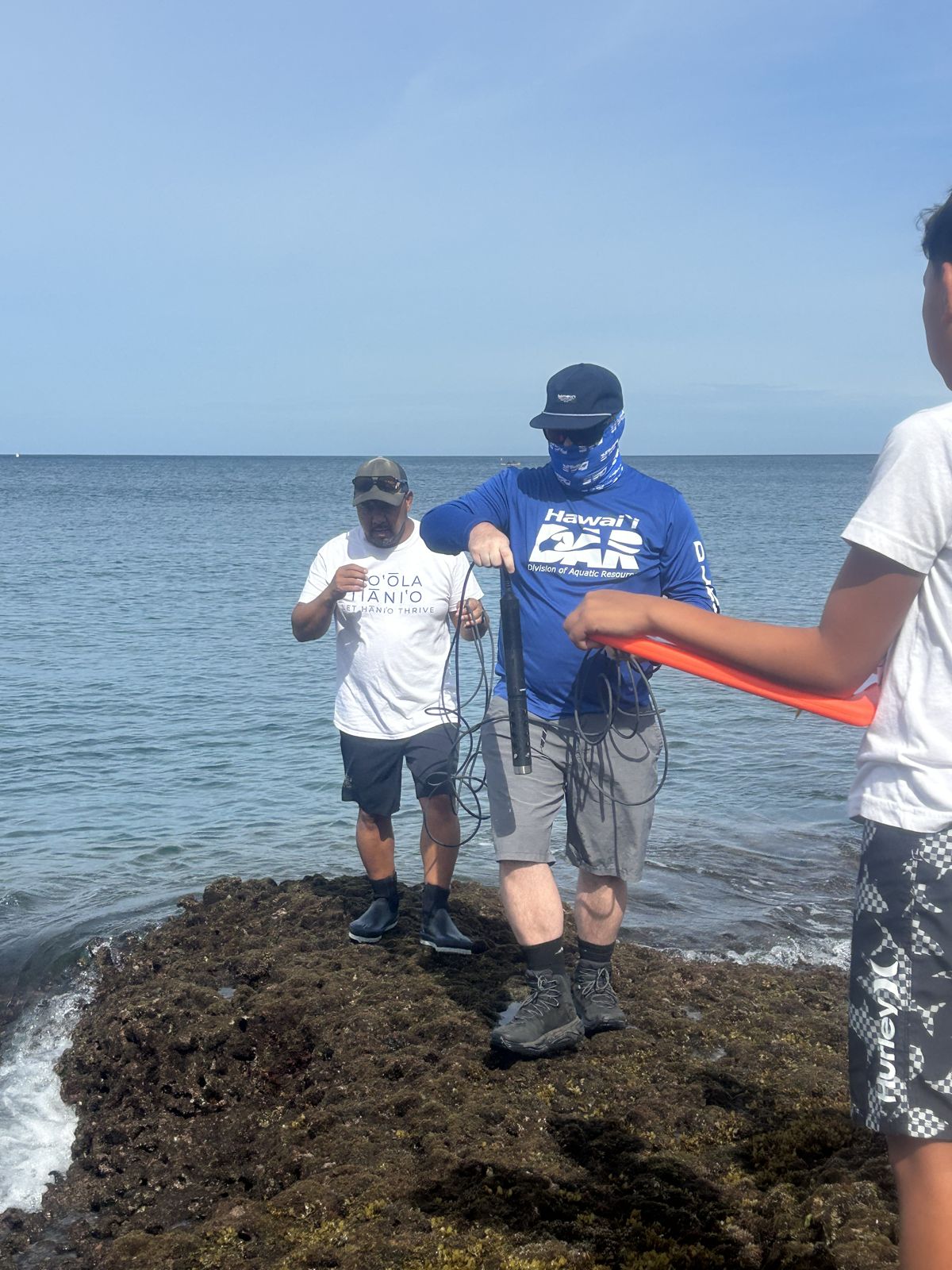
Short clips from the field at each site.
See all videos →No experience needed. We’ll teach you to identify limu and record what you find.