Home / Culture & Traditions
Culture & Traditions
Tradition Guides Progress

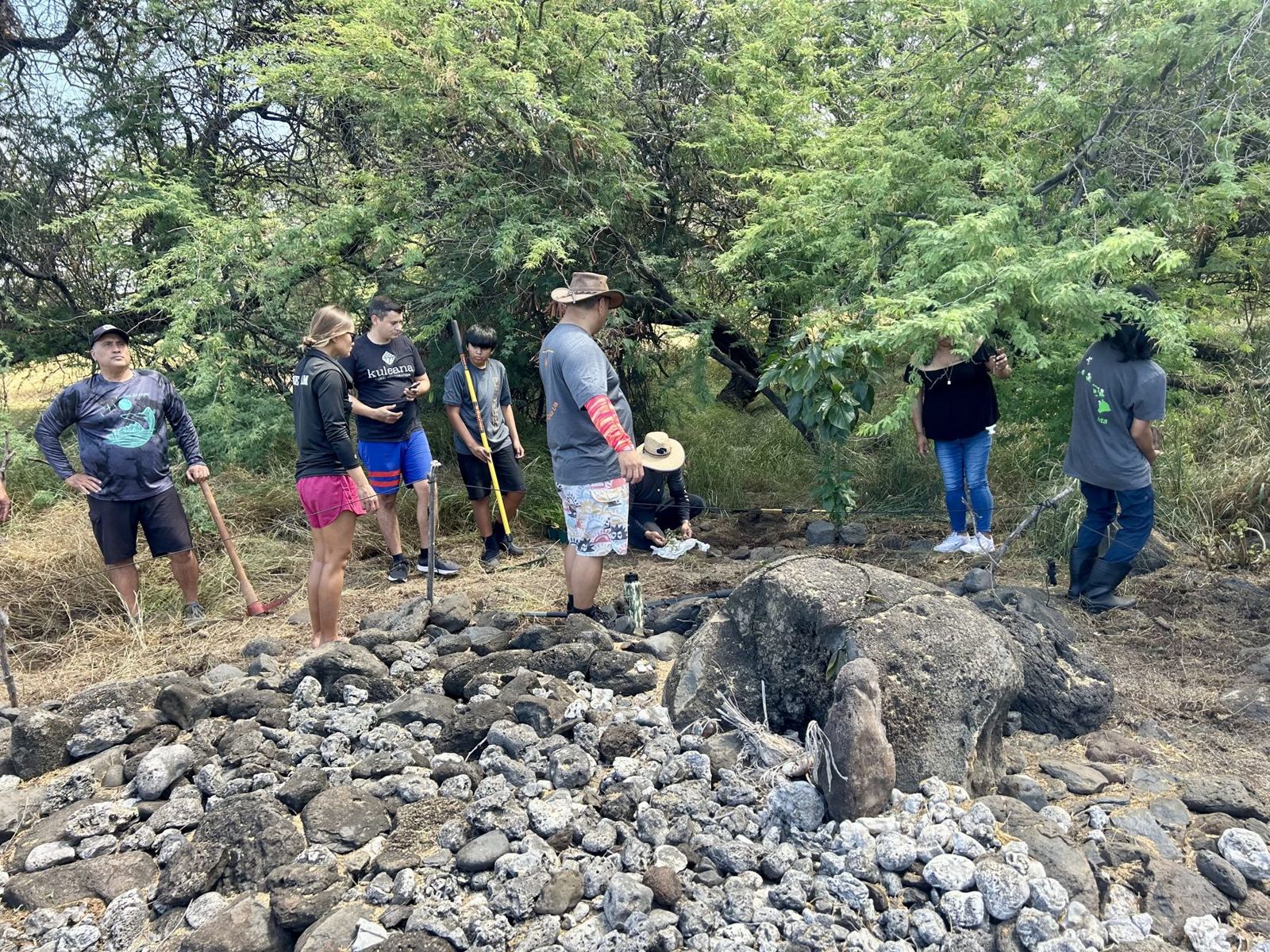
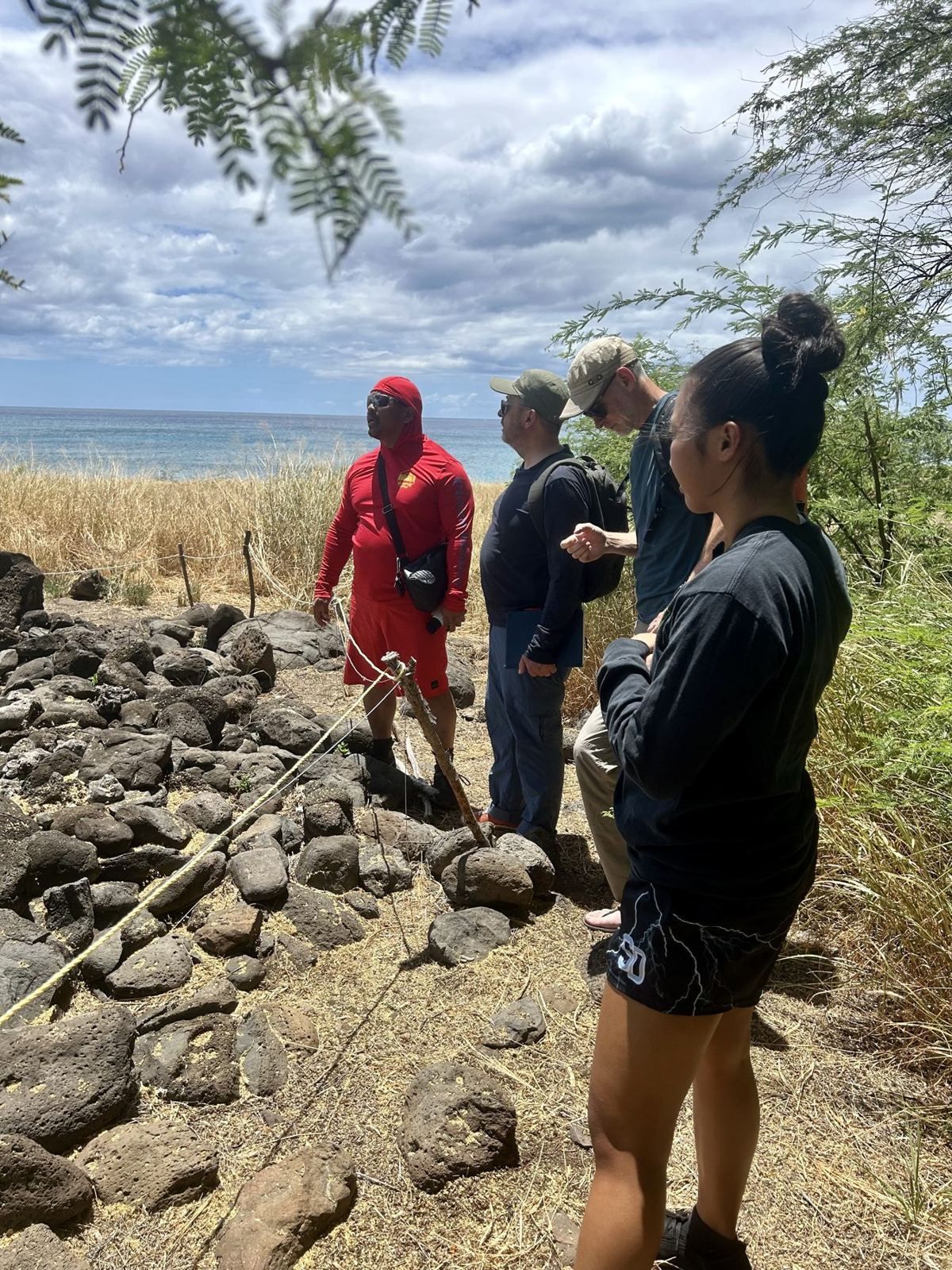
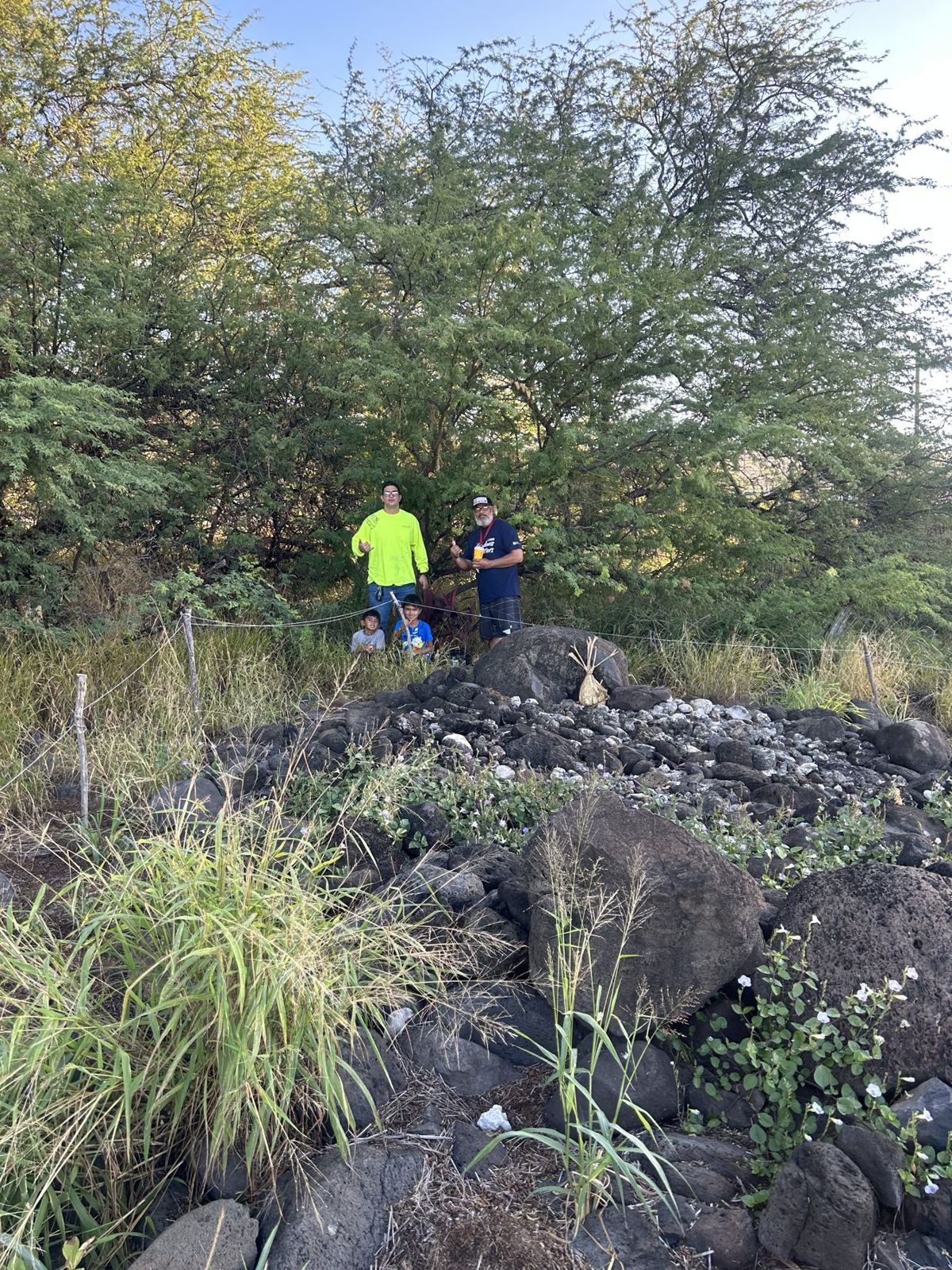
Hāniʻo is a culturally significant marine area on the southern Waiʻanae coast of Oʻahu, centered at Kalaeloa Point in the ahupuaʻa of Honouliuli in ʻEwa Moku. According to tradition, it is tied to the ancestral fishermen, Kūʻula and his wife Hina, who passed on the important kuleana to their son ʻAiʻai and grandson Punikaiʻa. Their family played a crucial role in teaching the population about marine resources, building koʻa/kūʻula (fishing shrines & altars) and pointing out the fishing grounds around the islands along with various ways to catch different types of fish. Kūʻula’s first loko kuapā, or stone-walled fishpond, is said to be at Lehoʻula in Maui.
At Kūʻula’s request, ʻAiʻai and Punikaiʻa would later journey throughout Hawaiʻi to continue teaching about nā mea lawaiʻa, all things fishing. ʻAiʻai established several notable sites on Oʻahu, such as at Makapuʻu, where he placed a pōhaku iʻa (special fish stone) to attract uhu (parrotfish). Fishermen would leave offerings of woven green grass to ensure a successful catch. At Kaʻalāwai Stone Pit near Diamond Head, he created a sacred site for managing and blessing local reef fisheries. In Honolulu Harbor, ʻAiʻai taught his son how to use a magical pearl fishhook to capture aku (skipjack tuna), further linking the community there to the ocean’s bounty.
Upon arriving at Kalaeloa, the fishing grounds of Hāniʻo were established. The name itself points to the subterranean channels of waters flowing beneath the limestone, providing nutrient rich waters from the interior of the island. The moʻolelo (stories) surrounding Hāniʻo and its associated sites highlight the incredible relationship between the community and the sea, both yesterday and today, underscoring the importance of sustainable practices and stewardship of marine resources into the future.
Story coming soon.
 March 28, 202610 photos
 June 21, 20251 photo
 August 11, 20242 photos
 December 17, 20227 photos
 September 10, 20229 photos